“techniques for growing coffee trees” search results (300)

The planting techniques of herbal coffee basic knowledge of coffee
First, planting time: April 15-25 period. Second, planting location: plain, hillside, wasteland, front and back house, forest and fruit tree seedlings can be planted, but should not be planted in tall trees or other unventilated places. Third, herbal coffee does not like flood and fertilizer, conditional planting can use farm manure, during the growth period, it is best to irrigate 1-2 water during the growth period, absolutely do not allow the use of all kinds of chemical fertilizers and
2015-10-07 Herbs coffee planting technology basics common sense time April 15th
Planting techniques and soil Environment of Coffee trees
(1) weeding, covering the young coffee garden, weeds are easy to breed, especially in the rainy season, weeding should be done once a month. If the labor force is sufficient, clean the grass should be removed first. Adult coffee garden can be weeded once every 2 to 3 months. If you use herbicides, you should be careful not to spray on the branches and leaves of coffee, and it is more important and prudent to use them in young coffee gardens. Coffee has shallow roots and is vulnerable to adverse climates such as high temperature and drought.
2016-06-05 Coffee planting technology soil environment weeding mulching young coffee garden weeds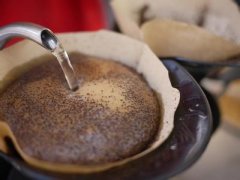
A brief introduction to Coffee planting History and planting techniques
According to historical records, coffee trees were first planted in Taiwan in 1884, and coffee cultivation in mainland China began in Yunnan. In 1902, a French missionary named Tian introduced seeds from Yinggong County in Binchuan County, Yunnan Province. it was successfully planted in a place called Zhu Kula, which is located on the bank of the Yushan River, a tributary of the Jinsha River. The commercial cultivation of coffee in Yunnan began in 1985, but its development is slow.
2015-02-25 Coffee Common sense planting History Technology introduction Historical data Records 1884
Coffee cultivation techniques
Coffee, cocoa and tea are called the three major beverages in the world, and their output, consumption and output value all rank first. In addition to being used as a beverage, coffee can also extract caffeine and coffee oil; in medicine, it can be used as an anesthetic, stimulant and diuretic cardiotonic agent.
2014-06-17 Coffee knowledge coffee cultivation techniques coffee encyclopedia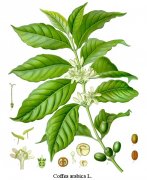
Coffee cultivation technique A tropical cash crop that is easy to cultivate
Coffee, cocoa and tea are called the three major beverages in the world, and their output, consumption and output value all rank first. In addition to being used as a beverage, coffee can also extract caffeine and coffee oil; in medicine, it can be used as an anesthetic, stimulant and diuretic cardiotonic agent. Coffee pulp can be used to make wine, vinegar, pectin and molasses; dried pulp can be used as animal feed; dried fruit shell can be used as fertilizer and burning
2015-10-07 Coffee cultivation techniques one easier cultivation tropical cash crops overview coffee
Costa Rica San Romain Estate Coffee Flavor Description Grind Features Variety Price Introduction
Located about 30 kilometers northeast of San Jose, Costa Rica's capital, this research center belongs to the Costa Rica Coffee Association. It is a research institution for the cultivation, breeding and quality inspection of Costa Rica's newly developed villa sarchi coffee varieties. In addition, it also has 10 hectares of experimental fields planted with many excellent varieties. Coffee is Costa Rica's main agricultural product, producing more than 2 million bags a year.
2016-10-10 Costa Rica Romain Manor Coffee Flavor Description Grind Characteristics Variety
7 Xunweng self-taught to grow A-grade coffee beans
Tseng Liang-hsiung, who retired from a telecommunications engineering unit at the age of 70, grew coffee in 5% of Arabica seven years ago in his hometown of Zhuzai Mountain in Puli, Nantou. He continued to study and improve cultivation techniques, and became a "zero-return" urban farmer. Last year, when he participated in the evaluation of fine coffee in Central China, he won the "second prize" and won the honor of "A coffee is unusual". Referring to the story of growing coffee, Zeng Liangxiong said briskly.
2014-06-27 Coffee beans Grade A coffee Arabica coffee beans
Indonesian Coffee Arabica Coffee Flavor introduces the characteristics of Indonesian Coffee
Arabica coffee trees grow between 900m and 2000 m above sea level; they are hardy, and the suitable growth temperature is 1524 ℃; they need more humidity, and the annual rainfall is not less than 1500 ml. At the same time, they also require higher cultivation techniques and conditions. Arabica coffee beans are mainly grown in South America (except Argentina and parts of Brazil), Central American countries and Africa.
2016-08-03 Indonesia coffee rabbi manor producing area flavor taste introduction characteristics
The planting technology of coffee tree introduces the environment in which coffee tree is suitable to grow.
Field management of loosening soil and weeding: when the seedling height is 3cm to 6cm, the weak or overdense seedlings are pulled out; when the seedling height is 10cm and 13cm, the plant distance is about 30cm. Soil loosening and weeding were carried out at the same time between seedlings and fixed seedlings to keep the soil loose. Coffee beans are more drought-tolerant, and the soil can grow normally when the soil moisture is maintained. During the drought, the coffee beans should be properly watered, but there should be less squatting seedlings during the seedling fixing period.
2016-06-16 Coffee planting technology introduction fit in what environment growth field management
Introduction to the characteristics of grindability of Coffee in Manor Atlanta, Jamaica
1. Clearly define the production area; 2. Choose to plant Arabica tin card varieties; 3. Training coffee farmers (planting techniques, harvest handling skills, environmental protection, etc.); 4. Improve coffee processing skills (persist in picking by hand, picking only fully ripe red fruits; using water washing; controlling drying conditions to keep the target moisture content of coffee beans at 12%) the Jamaican government established in 1950
2016-10-12 Jamaica Art Grand Manor Coffee Grinding Features treatment Taste Variety medium
Introduction of Coffee Grinding degree characteristics, Taste and Flavor description in Lazimus Manor, Colombia
Arabica species (scientific name Coffee Arabica) have to be mentioned in Colombian coffee species. Arabica coffee trees grow between 900m and 2000 m above sea level; they are hardy, and the suitable growth temperature is 1524 ℃; they need more humidity, and the annual rainfall is not less than 1500 ml. At the same time, they also require higher cultivation techniques and conditions. So now you can understand.
2016-10-15 Columbia Raz Moss Manor Coffee Grinding Features Taste Flavor drawing
Introduction of flavor description and grinding degree characteristics of Costa Rican coffee beans
All the coffee trees planted in Costa Rica are Arabica coffee trees. through improvement, the quality of coffee beans is better and more stable. in order to facilitate picking, coffee trees are kept at a height of about 2 meters through continuous pruning. The coffee that people eat is the taste of the seeds in the fruit that are brewed in water. After picking raw coffee beans, the peel, pulp, seed film and sun exposure must be removed.
2016-10-20 Costa Rica coffee beans flavor description grinding characteristics variety taste treatment
Coffee planting conditions Coffee planting techniques in China
In the 19th century, coffee was grown almost all over the country, followed by a coffee boom that lasted nearly a century. The extensive cultivation of coffee has brought wealth and prosperity to Brazil. At the beginning of the 20th century, Brazil accounted for more than 75% of the world's total coffee production, thus winning the reputation of the coffee kingdom. Coffee is one of the important pillars of Brazil's national economy. The whole country
2016-07-16 Coffee planting conditions China Technology 19th Century Brazil several
Costa Rican Coffee-Tarasu Coffee Bean Flavor Manor
One of the most famous is Mountain Costa Rica Coffee, which tastes mellow and neutral. It can be boiled directly or mixed with other kinds of coffee beans to form a mixed coffee. It is also a good choice. Other kinds of Brazilian coffee, such as Rio and Parana, can be produced in large quantities because they do not need too much care. Although they taste rough, they can be regarded as a kind of coffee with good quality and low price.
2016-07-19 Costa Rica coffee origin Tara coffee beans flavor taste manor introduction
The technology of planting coffee trees what kind of soil do coffee trees need to be planted on?
Coffee planting requires a lot of climate, which is why only Yunnan and Taiwan can grow coffee trees in China. Coffee is not strict on the land, idle land can also be planted, but with good drainage, deep soil, loose and fertile sandy soil is appropriate. Second, seed selection of planting techniques: before sowing, the germination rate of seeds should be tested. Specific method: put the grain
2016-05-24 Planting coffee technology tree needs what kind of soil planting climate
Description of Arabica Coffee Flavor of Highland Coffee beans introduction to the taste of varieties treated by grinding degree
Studies on planting distribution have proved that Arabica is very sensitive to environmental changes and can survive only in a very narrow temperature range. Arabica coffee trees grow between 900m and 2000 m above sea level; they are cold-resistant, and the suitable growth temperature is 1524 ℃; they need more humidity, annual rainfall is not less than 1500 ml, and higher cultivation techniques and conditions are required.
2016-10-20 Highland coffee beans rabbi coffee flavor description grinding treatment variety taste
Introduction to the species of coffee trees in Costa Rica
The coffee trees planted in Arabica are all planted in Arabica, and through improvement, the quality of coffee beans is better and more stable. in order to facilitate picking, coffee trees are kept at a height of about 2 meters through continuous pruning. The coffee that people eat is the taste of the seeds in the fruit that are soaked in water. After picking raw coffee beans, the seeds can only be carried out by peeling, pulp, seed film and sun exposure.
2016-06-13 Costa Rica coffee variety introduction planting all rabbi coffee.
Light and pure flavor of Costa Rican coffee manor flavor and taste characteristics of Huofenghuangzhuang
Costa Rica faces several times more natural disasters than other regions, but it has enough acreage to make up for it. There are many kinds of coffee here, but its industrial policy is large and cheap, so there is not much premium coffee, but it is a good choice for mixing other coffees. One of the most famous is Mountain Costa Rica Coffee, which tastes mellow and neutral.
2016-08-09 Flavor light pure Costa Rica coffee manor producing area taste characteristics
Introduction to Lazmus Manor of Colombian Coffee
Arabica species (scientific name Coffee Arabica) have to be mentioned in Colombian coffee species. Arabica coffee trees grow between 900m and 2000 m above sea level; they are hardy, and the suitable growth temperature is 1524 ℃; they need more humidity, and the annual rainfall is not less than 1500 ml. At the same time, they also require higher cultivation techniques and conditions. So you can handle it now.
2016-07-13 Columbia coffee type flavor taste introduction Raz Moss Manor Brother
Flavor characteristics of Costa Rican Coffee Manor introduction of Saint Roman Manor Brand
Costa Rican coffee has full particles, ideal acidity and unique strong flavor. Costa Rica's coffee industry, originally controlled by the Costa Rican Coffee Industry Company (InstitutodelCafdeCostaRica, ICAFE), has been taken over by the official Coffee Committee (OficinadelCaf). In the coffee exported, those products that are considered to be of substandard quality use blue.
2016-08-06 Costa Rica Coffee Manor producing area Flavor characteristics Roman Brand Type